Sezibwa Homes
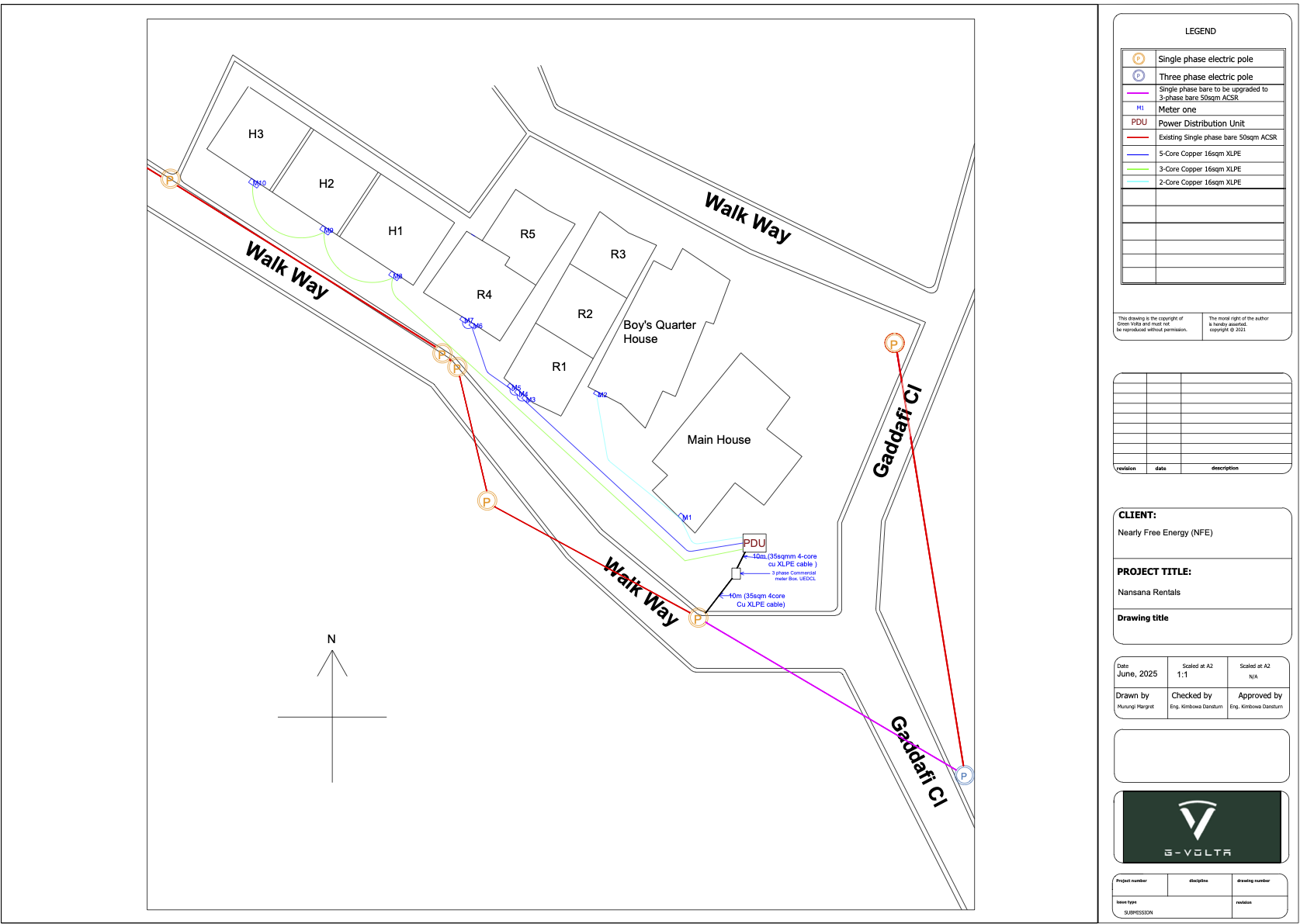
This is a community of 10 homes in Nansana, Gadaffi close. It is the location of NFE's first Reliable Power Microgrid (RPM) in Uganda
- Microgrid Design
- Budget - Phase 1: Sezibwa Homes
- Site Layout
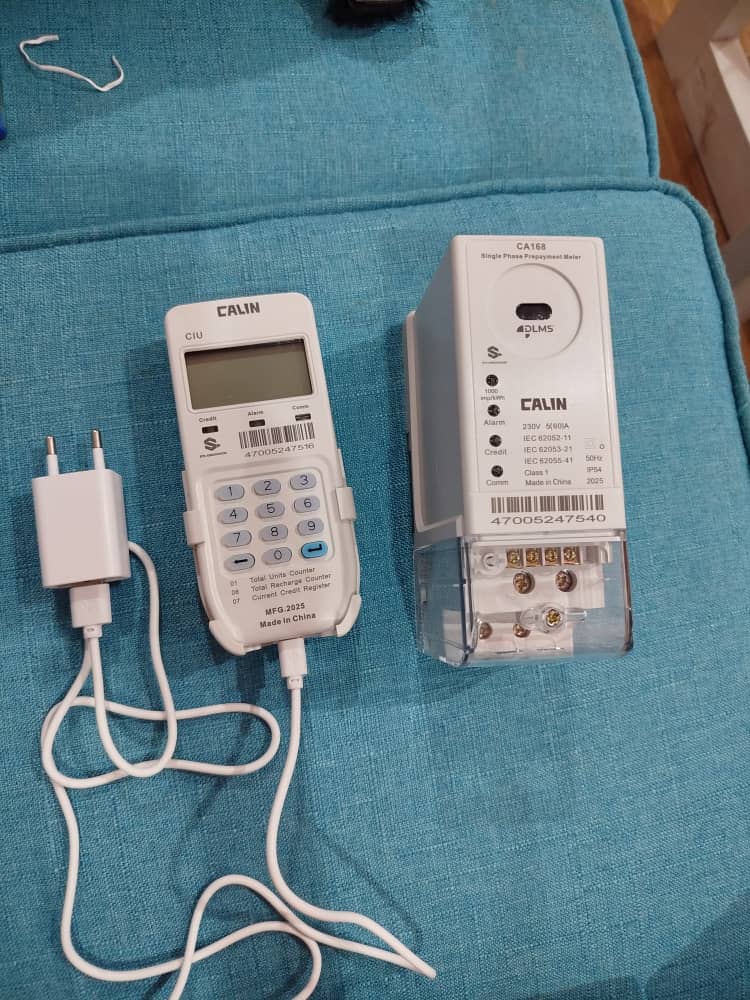
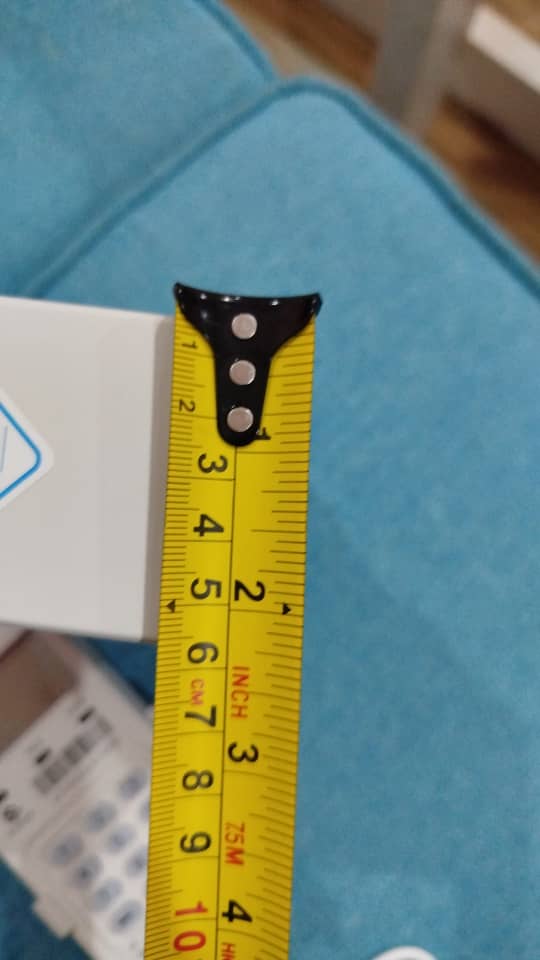
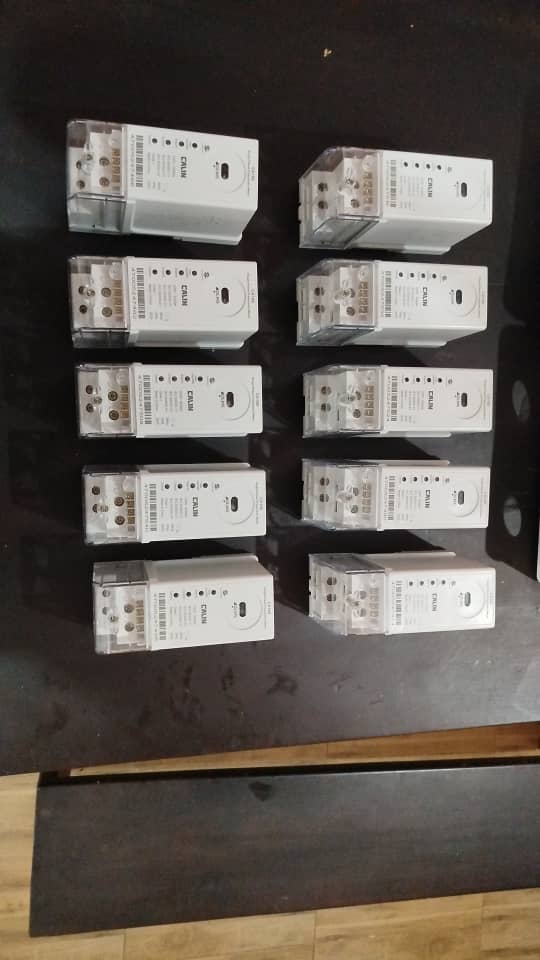
- Procurement Pictorial
- Monthly Finances
- Sezibwa Site Plan for Phase 2
- Ownership (Membership)
- Phase 1 Pictorial
- Customer Registry
- Inspection Document
- Welcome Note to Customers
- Outage log
- Phase 1.1
- Phase 2.0
- PDU layout
- Nansana Community Microgrid Pilot
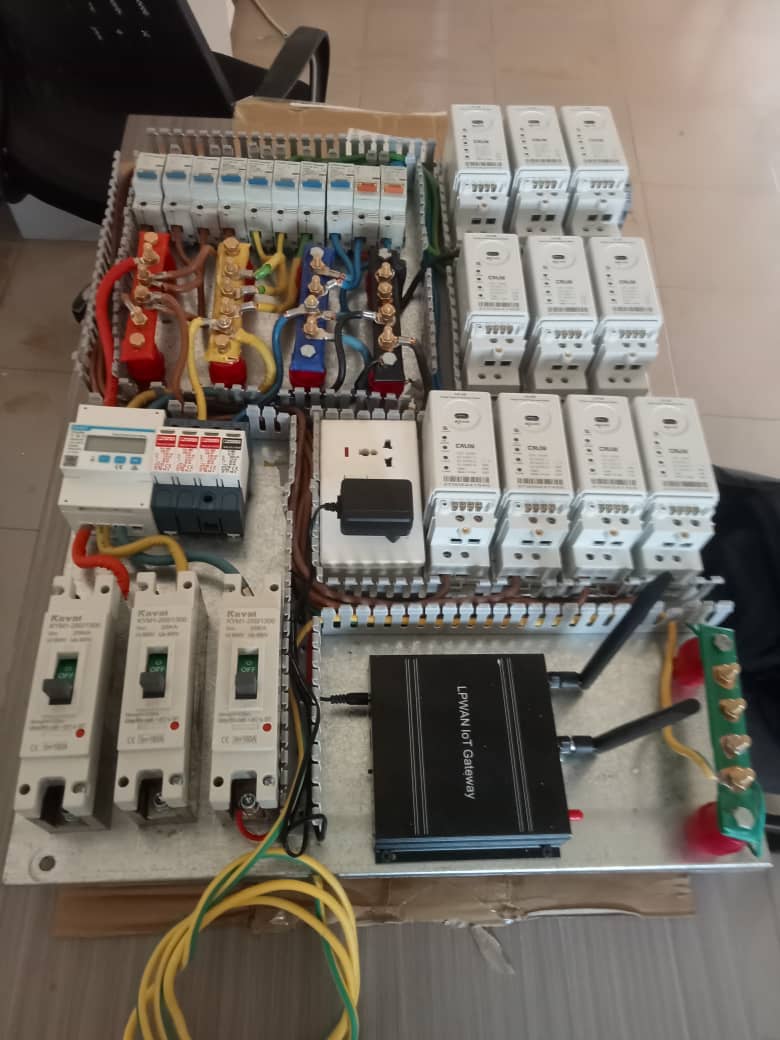
- Microgrid Cabinet Line Diagram
Microgrid Design

Budget - Phase 1: Sezibwa Homes
Realtime financials tracked via open collective here: https://opencollective.com/nfe/projects/sezibwa-homes-nfe-pilot
| Bill of Quantity NFE-Nansana | ||||||
| S/No | Item | Specifications | Quantity | SI Unit | Rate(UGX) | Amount (UGX) |
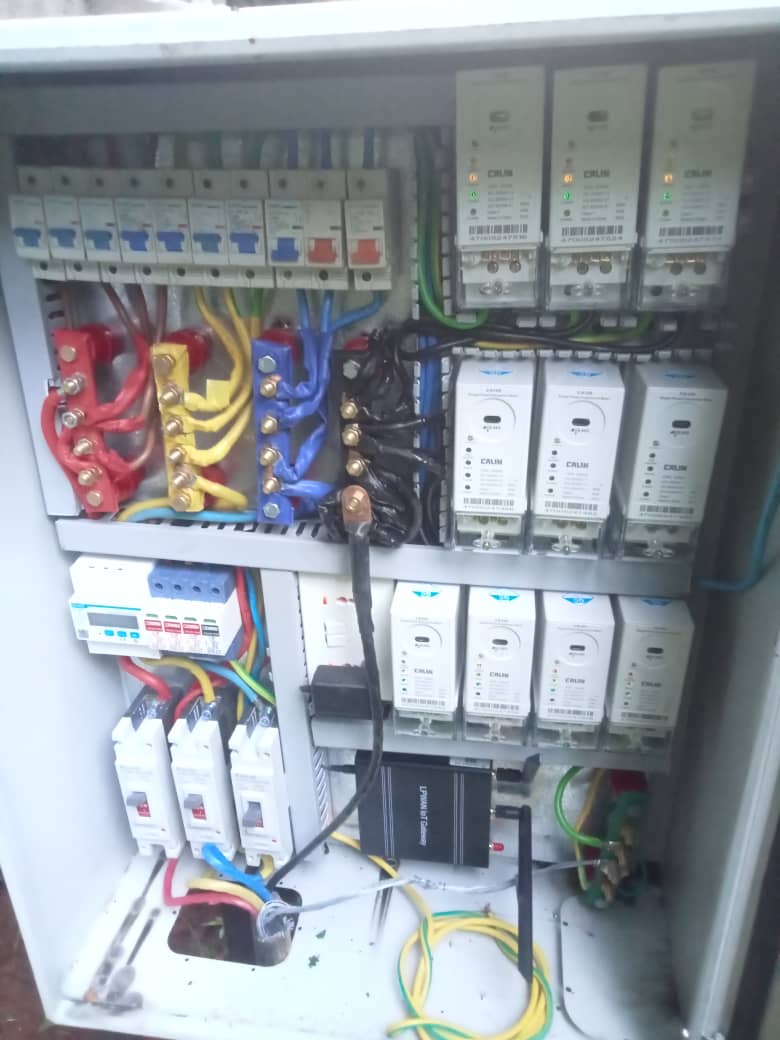
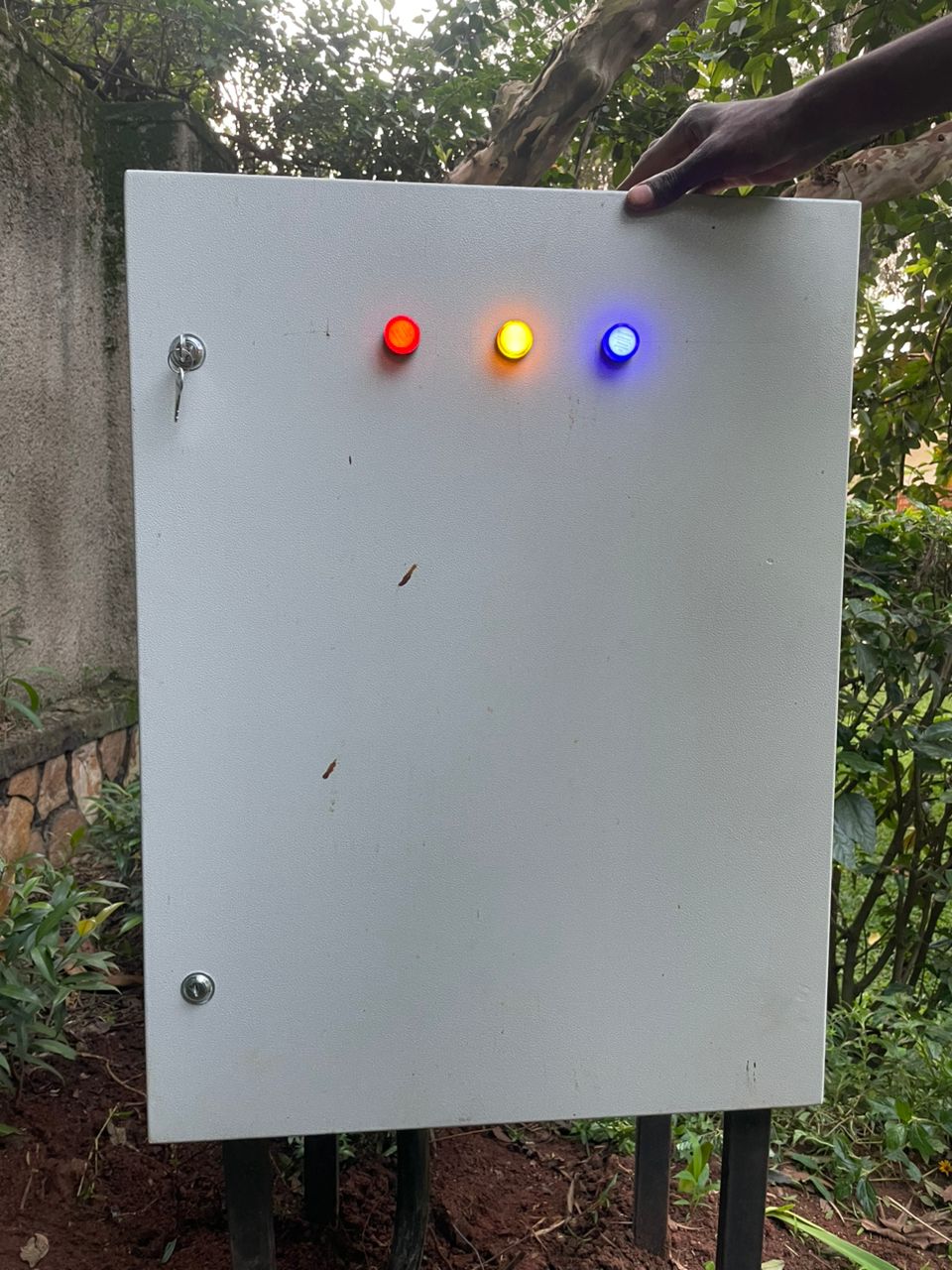
| 1 | Enclosure box for the PDU | 80cm*60cm*25cm | 1 | box | 550,000 | 550,000 |
| 2 | Single phase MCCB | 160A ABB | 3 | pc | 120,000 | 360,000 |
| 3 | Three phase Smart meter | 80A Chint | 1 | pc | 400,000 | 400,000 |
| 4 | Busbars (Red, Yellow, Blue, Black and Green Yellow) | 200A | 5 | pc | 150,000 | 750,000 |
| 5 | Circuit breakers | 80A | 10 | pc | 30,000 | 300,000 |
| 6 | Enclosure Trunkings (Slotted grey truncking) | 2 | pc | 30,000 | 60,000 | |
| 7 | Din rail | 1 | pc | 10,000 | 10,000 | |
| 8 | Self tapping screws | 0.5" | 1 | pkt | 35,000 | 35,000 |
| 9 | Cable lugs ring | 16mm pin | 18 | pc | 3,000 | 54,000 |
| 10 | Cable lugs ring | 25mm ring | 18 | pc | 5,000 | 90,000 |
| 11 | Sleeves | 25mm | 2 | m | 5,000 | 10,000 |
| 12 | Sleeves | 16mm | 2 | m | 3,000 | 6,000 |
| 13 | Flexible Cable Red | 25mm | 2 | m | 15,000 | 30,000 |
| 14 | Flexible Cable Blue | 25mm | 2 | m | 15,000 | 30,000 |
| 15 | Flexible Cable Yellow | 25mm | 2 | m | 15,000 | 30,000 |
| 16 | Flexible Cable Red | 16mm | 4 | m | 8,000 | 32,000 |
| 17 | Flexible Cable Yellow | 16mm | 4 | m | 8,000 | 32,000 |
| 18 | Flexible Cable Blue | 16mm | 4 | m | 8,000 | 32,000 |
| 19 | Flexible Cable Yellow Green | 10mm | 2 | m | 5,000 | 10,000 |
| 20 | Flexible Cable Black | 2.5mm | 2 | m | 1,500 | 3,000 |
| 21 | Flexible Cable Green | 2.5mm | 2 | m | 1,500 | 3,000 |
| 22 | Flexible Cable | 2.5mm | 2 | m | 1,500 | 3,000 |
| 23 | Communication Cable | 1.5mm | 6 | m | 1,500 | 9,000 |
| 24 | Indicator lamps | 230V | 3 | pc | 5,000 | 15,000 |
| 25 | Double Socket | Pcs | 1 | pc | 10,000 | 10,000 |
| 26 | Insulating tape | Pcs | 5 | pc | 3,000 | 15,000 |
| 27 | Pin lugs 25sqmm for different colours | Pkt | 1 | 4,000 | 4,000 | |
| 28 | Pin lugs 16sqmm for different colour | pkt | 1 | 3,000 | 3,000 | |
| 29 | Airal Cable | 35sqmm ABC Cable | 100 | m | 15,000 | 1,500,000 |
| 30 | IPC | 35-70sqmm | 8 | EA | 6,000 | 48,000 |
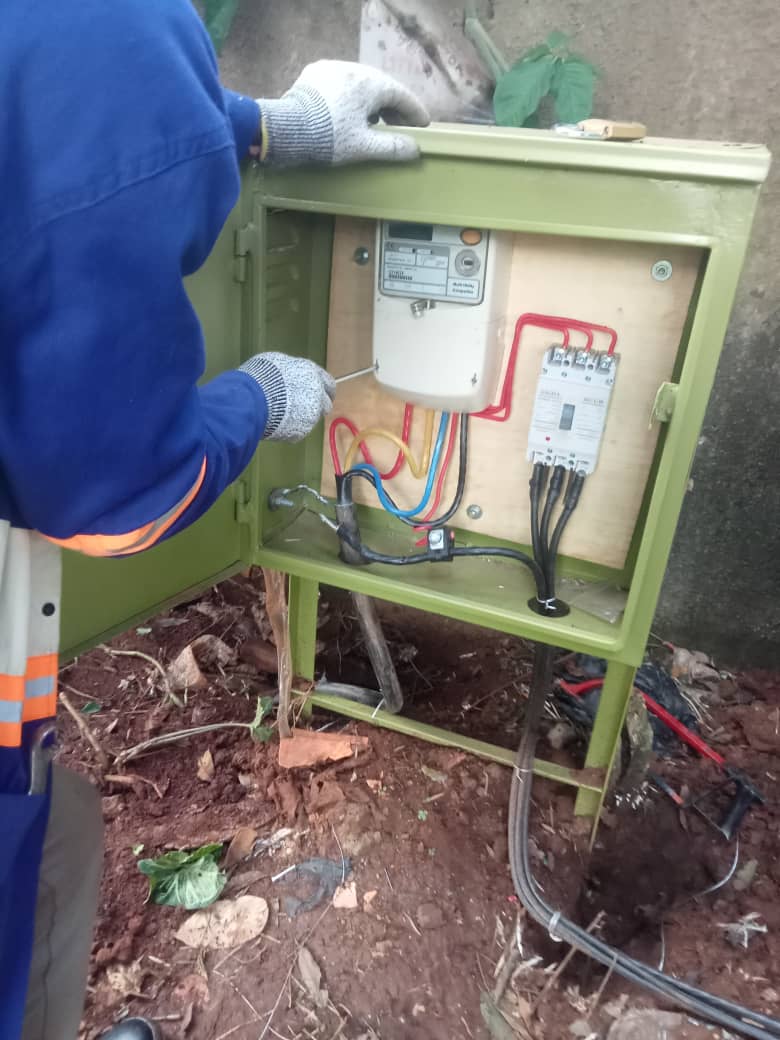
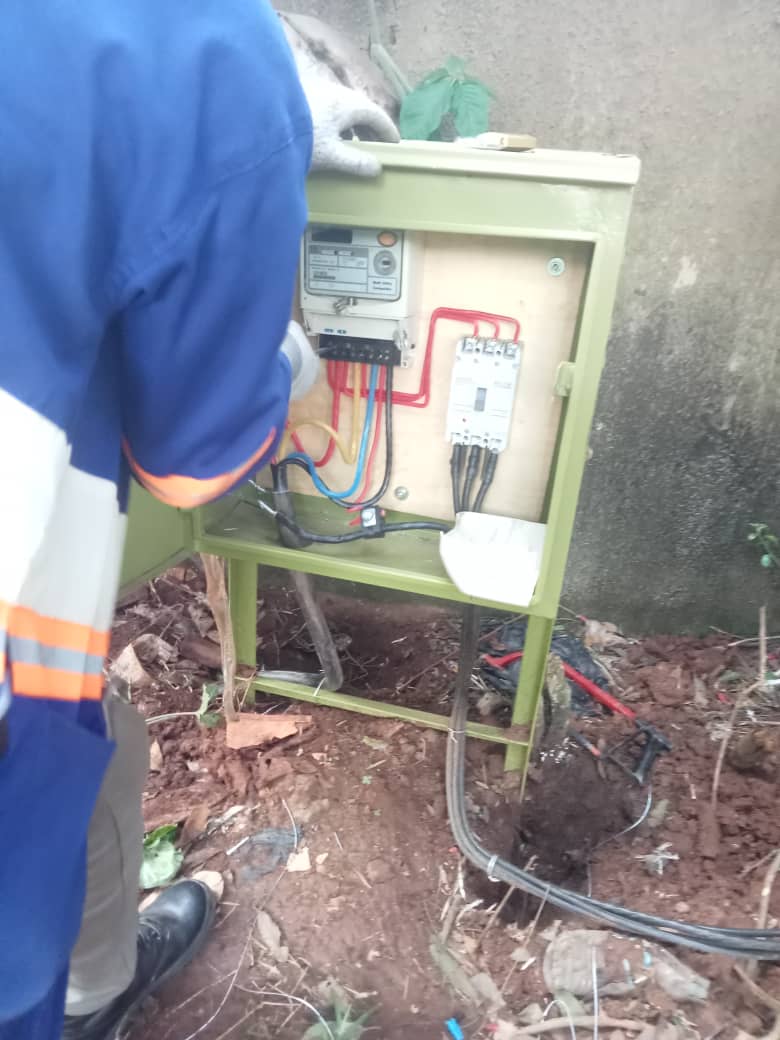
| 31 | Armoured Cable | 25qmm | 10 | m | 65000 | 650,000 |
| 32 | UEDCL 3phase Commercial Meter | TOU Code 10.2 | 1 | EA | 3,500,000 | 3,500,000 |
| 33 | Service Cable | 16sqmm 2 Core cable | 30 | m | 15,000 | 450,000 |
| 34 | Service Cable | 16sqmm 3 Core cable | 150 | m | 30,000 | 4,500,000 |
| 35 | Service Cable | 16sqmm 5 Core cable | 100 | m | 50,000 | 5,000,000 |
| 36 | Smart Meters | 1 Phase DinRail Split prepaid meter-1.pdf | 10 | 290,000 | 2,900,000 | |
| 37 | LoraWAN gateway | CAL-025.pdf | 1 | 1,803,000 | 1,803,000 | |
| 38 | Labor (installation) | Green Volta | 2,000,000 | 2,000,000 | ||
| Total | 25,237,000 | |||||
Reconciled budget attached 1RECONCILIATION NFE-NANSANA.pdf
Site Layout
Procurement Pictorial
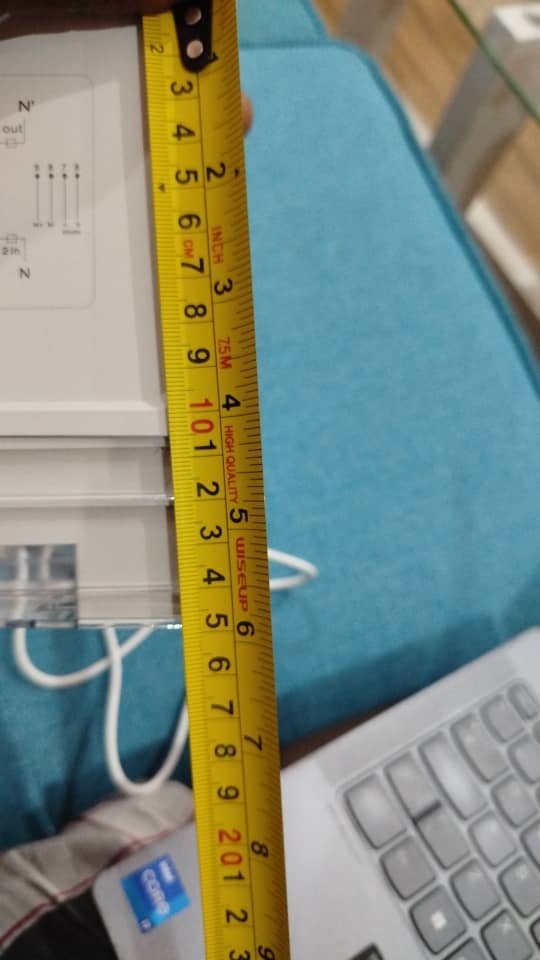
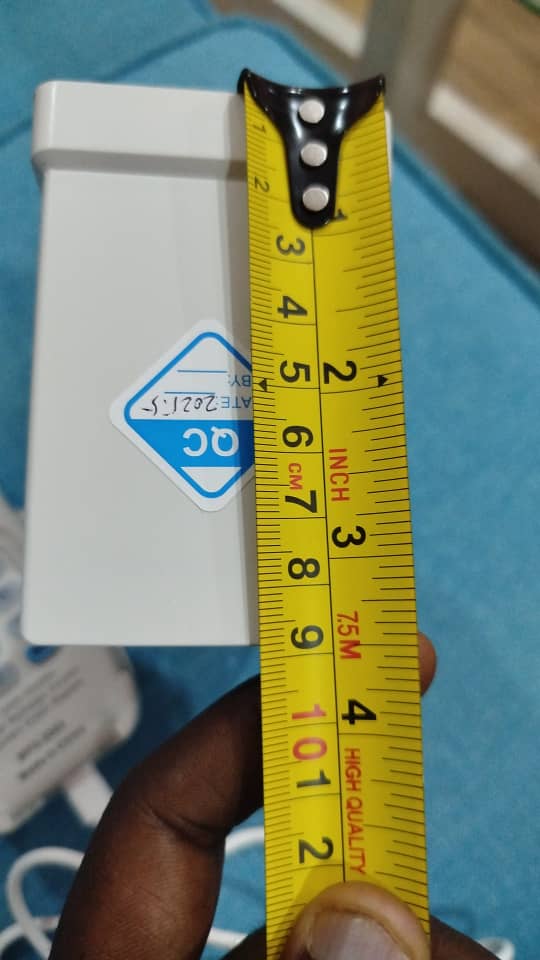
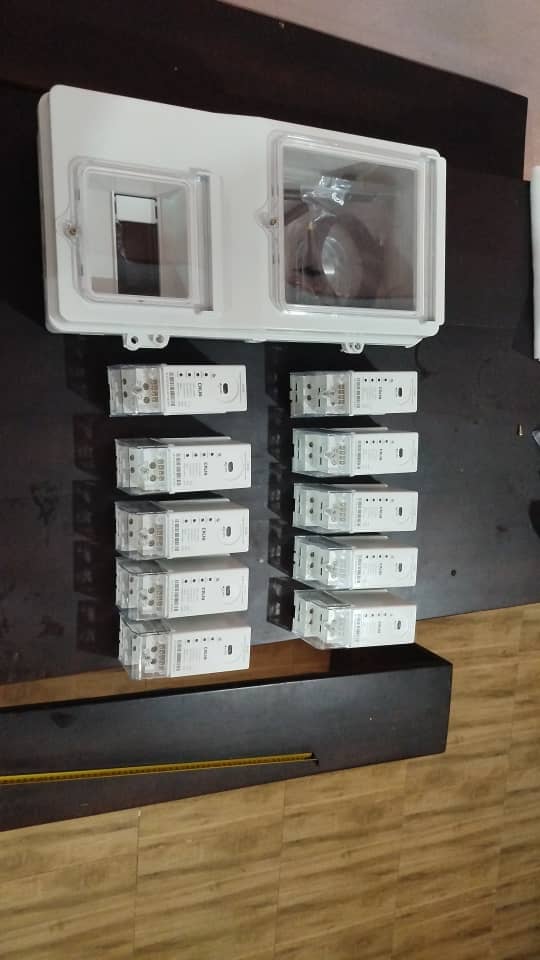
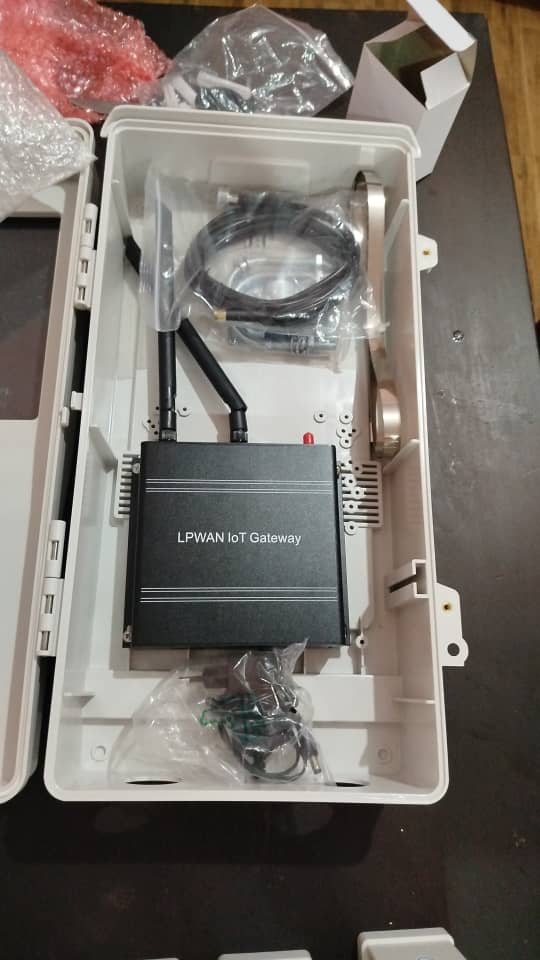
Monthly Finances
Energy Sales
We are making these sales projects based on what they spend today and not the power they use.
- Number of Customers: 10
- Average historical spend per customer: 80,000 UGX per month (about 3kWh per day, for 30 days)
- Total Revenue: 800,000 UGX per customer (800 UGX per kWh)
Expenses
- Bulk Purchase of power: 491,760 UGX (546.4 per kWh at 3kWh per day for 30 days for 10 customers)
- Taxes (18% VAT) - Charge to customer?
- Operations: 100,000 UGX
- Real time expenses tracked here on Open Collective
Net Returns
- Sales - Expenses: 308,240 UGX
Sezibwa Site Plan for Phase 2

Ownership (Membership)
This project is community owned as per the model described here.
Funders
- NFE - 21,300,071 UGX
- Unallocated - 3,936,929 UGX
Workers
- NFE
Customers
- Non Eligible yet
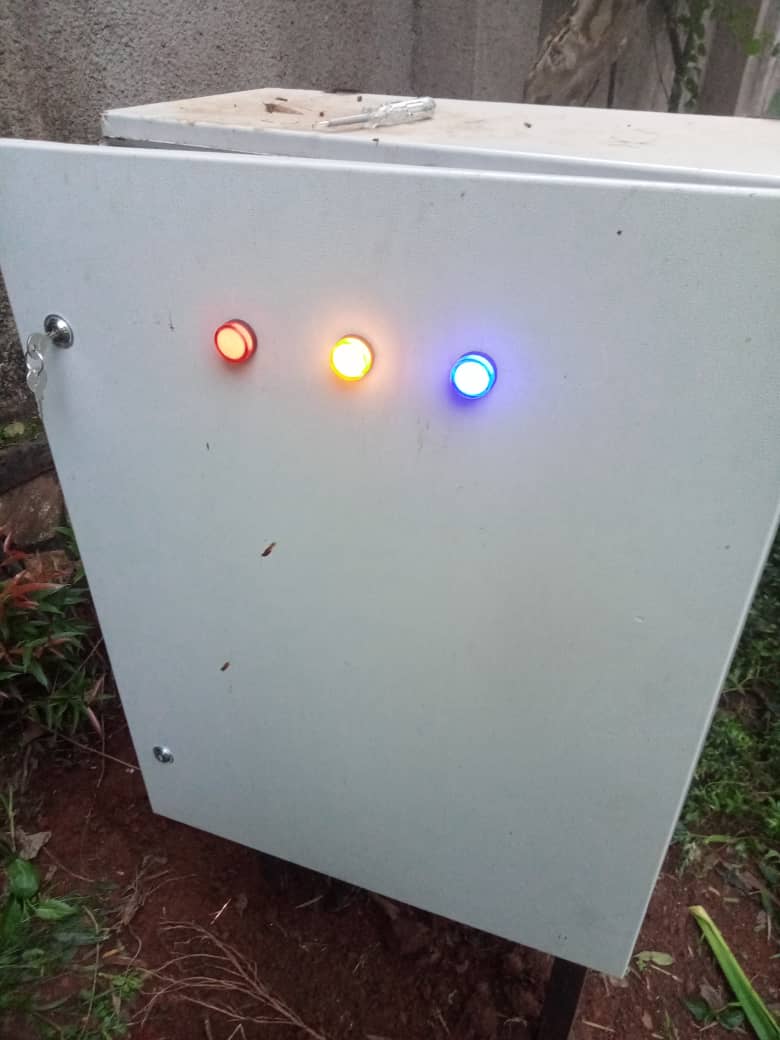
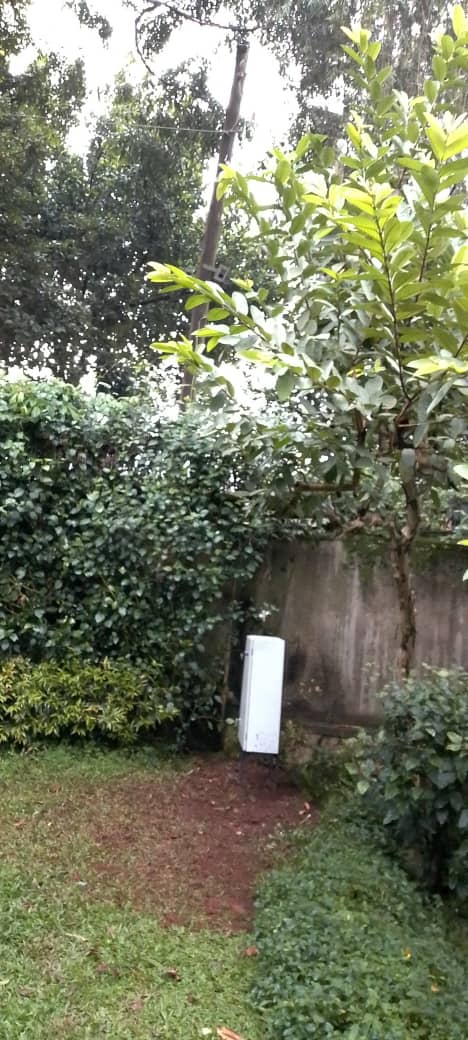
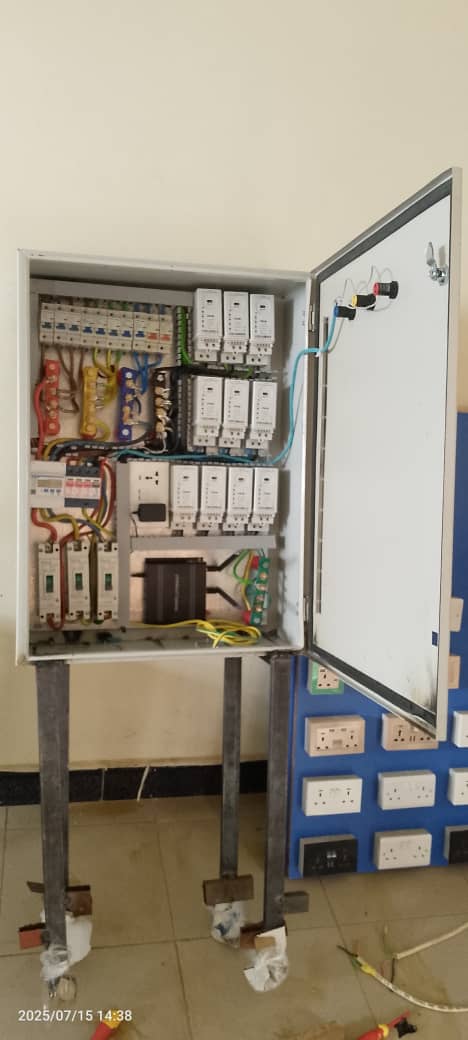
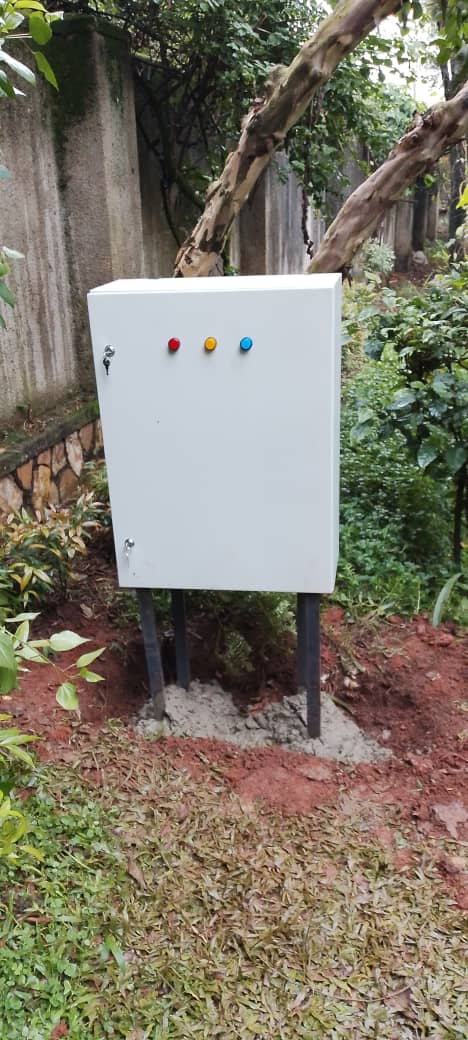
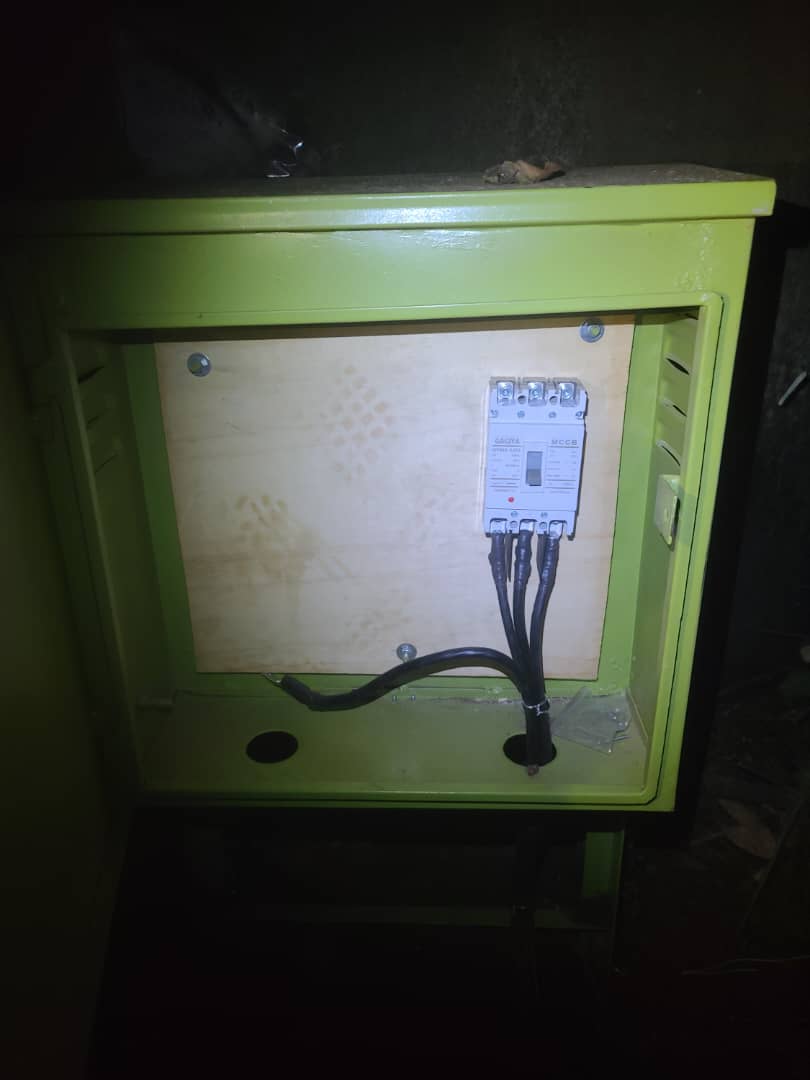
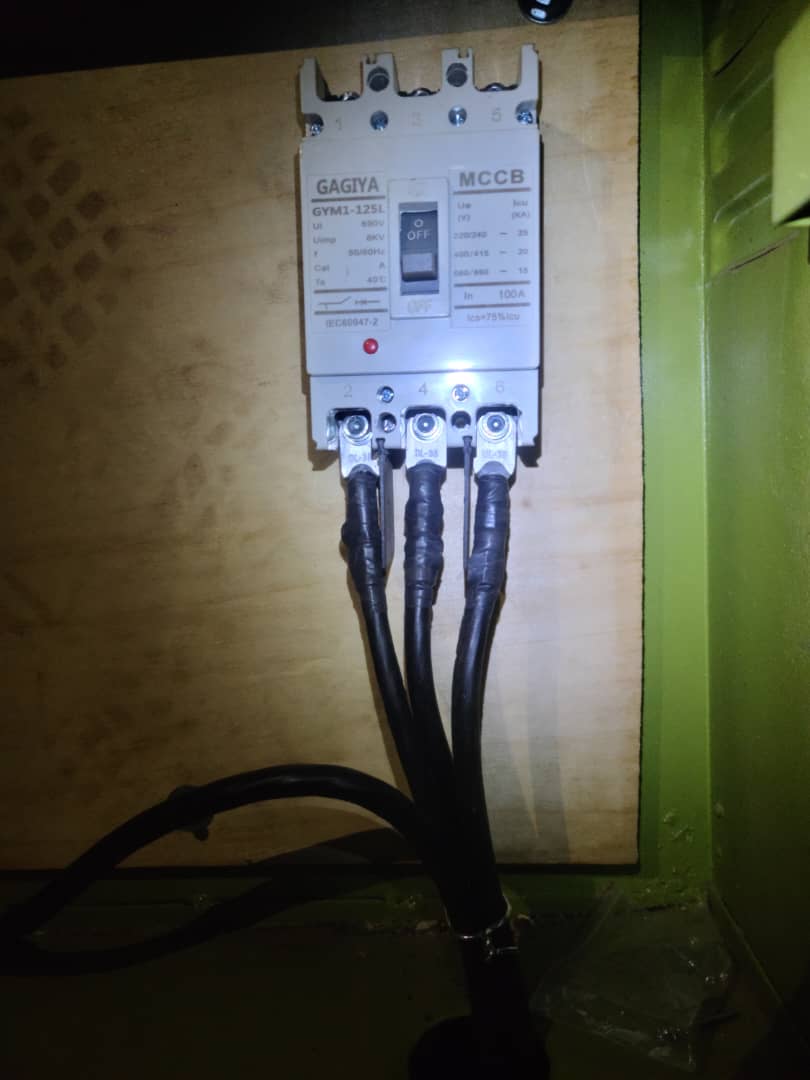
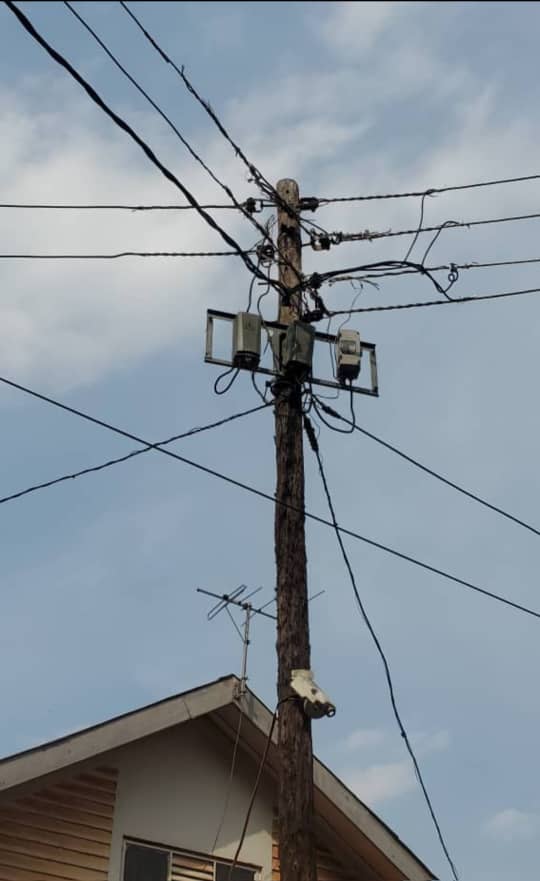
Phase 1 Pictorial
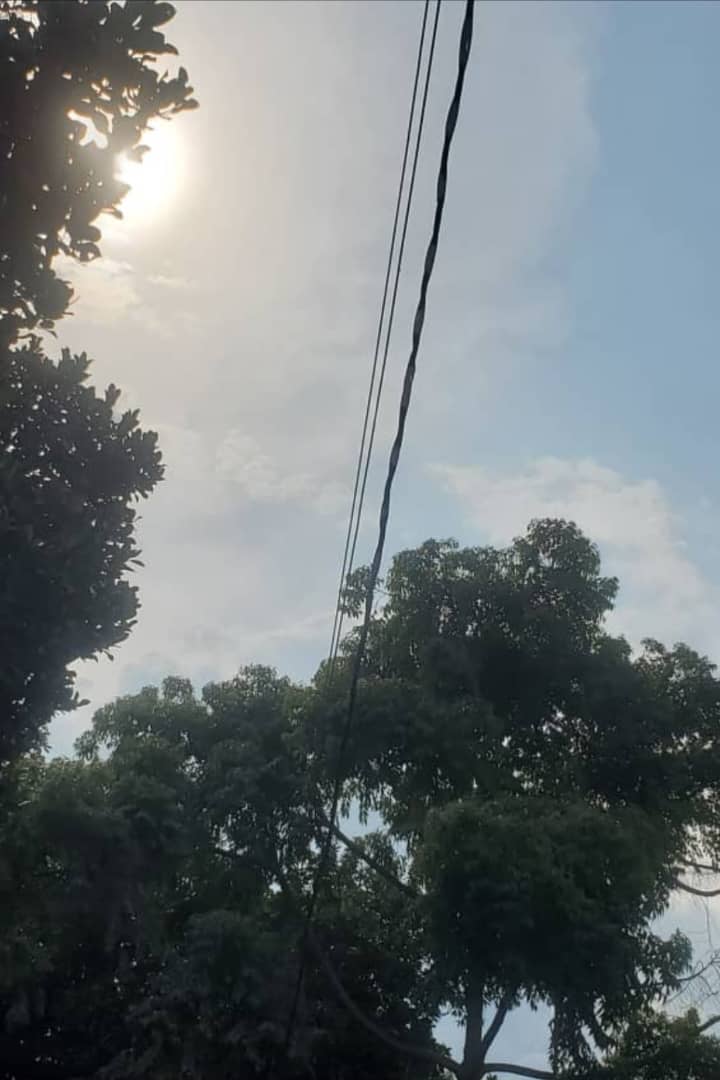
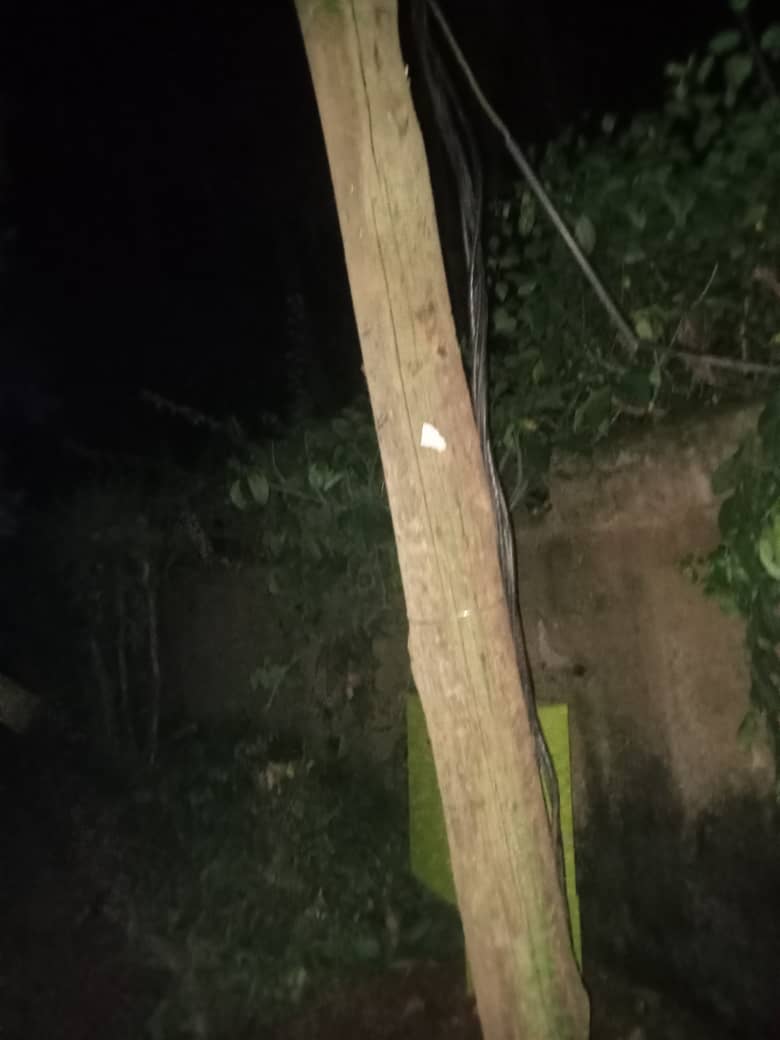
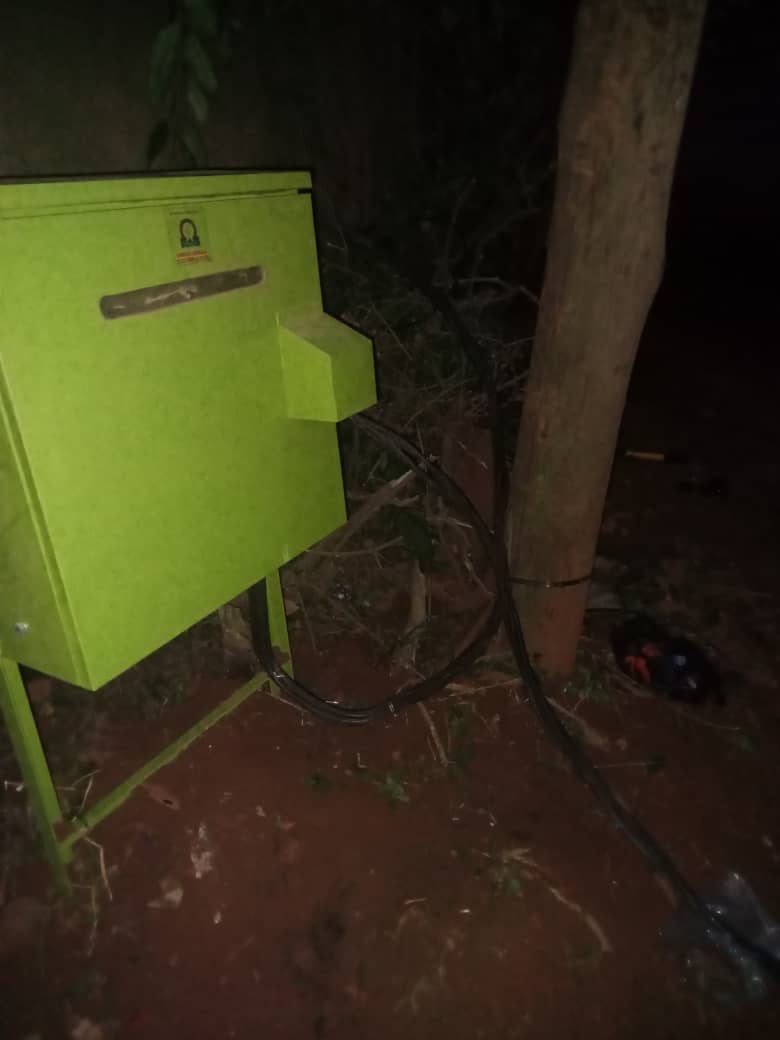
Customer Registry
| Name | House Number | Contact | Meter Number |
Inspection Document
Welcome Note to Customers
Hello, This is Aaron from Nearly Free Energy. We provide reliable electricity to neighbourhoods like yours.
Your landlady has agreed to work with us to bring reliable power to your neighborhood. This will be done in the a 3 phase process.
Phase 1: Smart Metering:
We will switch you from Yaka to Smart Meters. This is needed in order for us to monitor when UEDCL power goes off so that we can size your neighbourhood backup correctly.
Phase 2: Backup installation:
We will install the right sized battery backup so that when UEDCL goes off, you power remains on. These batteries will be charged when UEDCL is on so that they can be ready when UEDCL is off. This backup will come on automatically so you should not notice when UEDCL is off.
Phase 3: Solar Generation:
We will install solar panels on your roof to help charge the batteries when UEDCL is off for much longer periods like several weeks.
Frequently asked Questions
If Yaka is gone, how will I pay for power?
You will switched from prepaid to postpaid. This is the same way you pay for your water bill. You receive a monthly bill from us via SMS and you will have 5 days to pay the bill via Mobile Money, Visa or Mastercard.
How can I know how much I have used at anytime during the month?
Please contact us on our Whatsapp business account. We shall check your smart meter and share with you our usage.
What happens when I don't pay my monthly bill by the 5th day of the month?
Your smart meter will automatically turn off power to your house. Once you pay the bill, the meter automatically turns power back on.
When will Phase 1 be completed?
Phase 1 is currently in progress. We are targeting to complete phase 1 by end of this week.
When will Phase 2 be completed?
We are targetting to start Phase 2 in December 2025, I should be completed within a month depending on transport logistics of the batteries. They are being imported from supplier overseas.
When will Phase 3 be completed?
The timelines for Phase 3 are not yet determined but will likely be within 2026.
How much will I be paying for power?
The cost of power will not change. IT is determined by ERA (Electricity Regulatory Authority). You will be paying the same domestic rate you are paying today: https://www.uedcl.co.ug/approved-tariffs. You will charged domestic rate fees per unit you use + VAT (18%) + monthly service charge (5320 UGX). All these charges exist on your Yaka bills. The only change here is that it's postpaid not prepaid.
What if I want to still pay using prepaid token like Yaka?
At this time, our system doesn't support this payment mode. But we think postpaid is better for most customers so we think you will find it more convenient than yaka tokens.
What happens to my current yaka balance and yaka meter?
UEDCL will entually reposes that yaka meter. The timelines for this are unclear. However please contact us and share your current Yaka balance, we will credit the units to your monthly bill for next month.
How can I contact you?
You can email us on team@nearlyFreeEnergy.com or Whatsapp us on 077
Outage log
| Date | Duration | Reason | Impact | Remarks |
| 1 September 2025 | 8 hours | 2/3 phases with voltage too low due to a broken link, this one impacted a wider area (whole of Nansana) | all 10 customers impacted because deployment was still in progress | Known to happen fairly often and could we temporarily resolved locally with a phase selector |
| 6th September 2025 | 1 hour | Meter Alarm triggered for Main house | Main house only | Need to investigate reason why alarm/relay was triggered |
| 9th September 2025 | 6 hours | Transmission team doing substation maintenance so they shut down the line | 10/10 houses impacted. |
Phase 1.1
Goal
- Install phase selectors to increase reliability when some phases have low voltage
| Item | Specification | Quantity | Unit Price | Amount | Remarks |
| PDU | 80cm*60cm*25cm | 1 | 900,000 | 900,000 | We need a bigger PDU in order to fit the phase selectors |
| Phase selectors | 3 | 300,000 | 900,000 | ||
| Labor | - | - | |||
| Total | 18,000,000 |
Phase 2.0
Goal: Adding Battery Capacity. We are estimating that we need to add 15 to 25 kWh of battery capacity. We are yet to do some analysis on the consumption and outage profile for the community to determine what would be the ideal capacity.
PDU layout
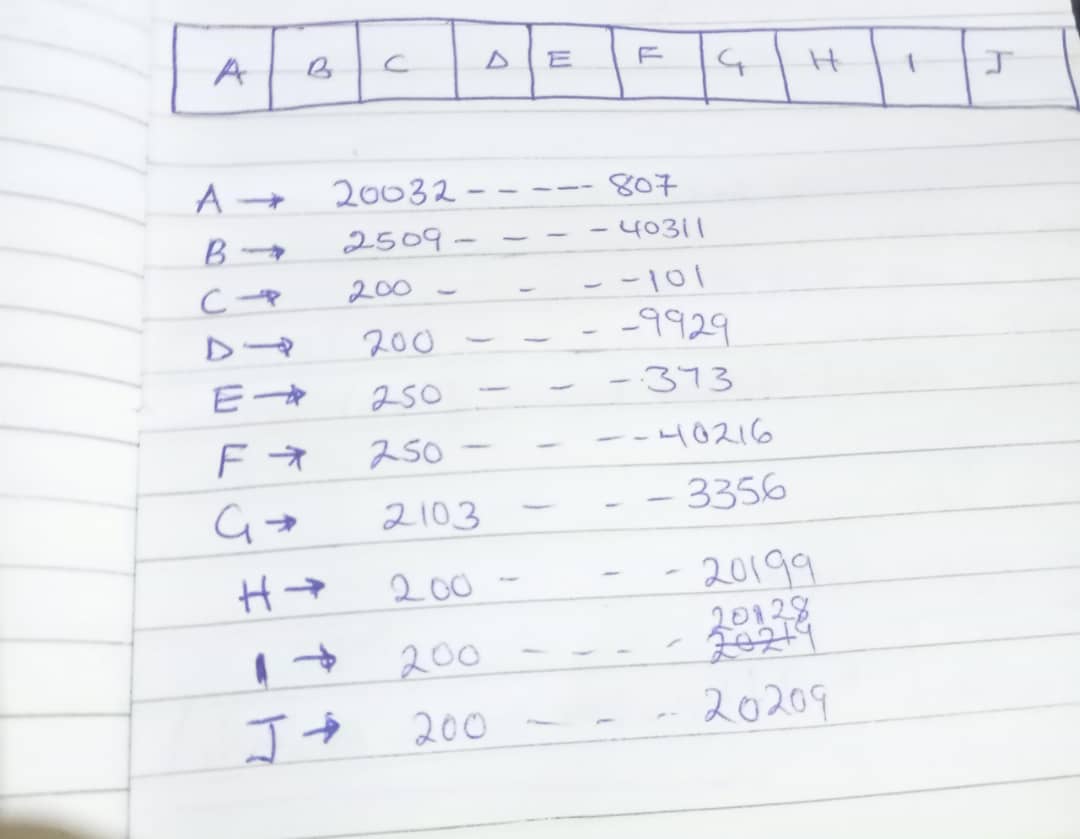
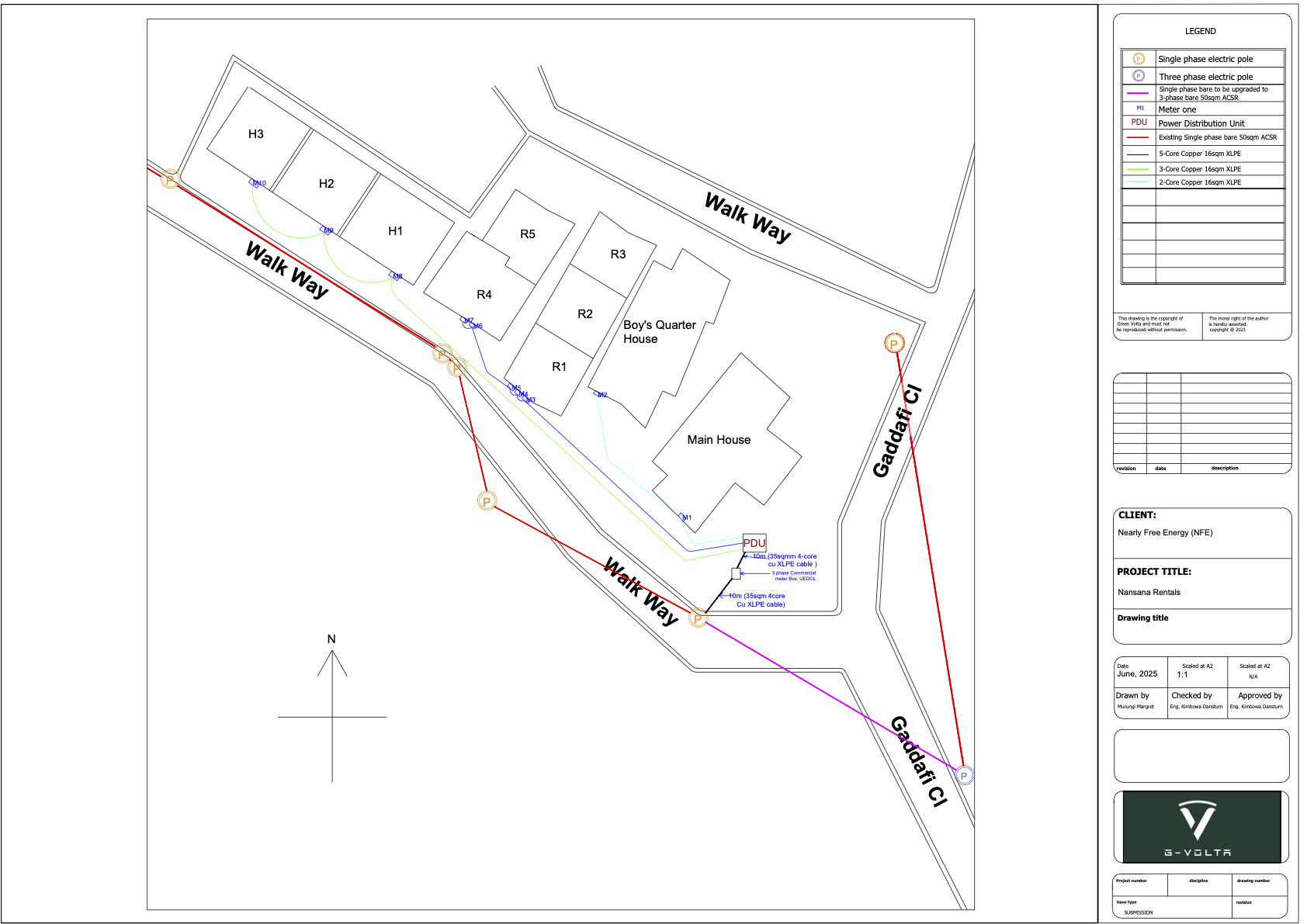
H3 - 200326020209
H2 - 210302003356
H1 - 200326020101
R1 - 250902040216
R2 -
R3 - 200326020199
R4 - 250902040373
R5 - 200326019807
Boys Q - 200326019929
Main House - 200326020128
Nansana Community Microgrid Pilot
Demonstrating Open-Source Community Energy Systems on Unreliable Grids
Executive Summary
Nearly Free Energy (NFE) is developing a new generation of community-owned microgrids designed for urban and peri-urban communities connected to unreliable electricity grids. Unlike traditional rural electrification microgrids, NFE's approach focuses on improving reliability, resilience, and long-term energy abundance for communities that already have a grid connection but experience frequent outages and poor service quality.
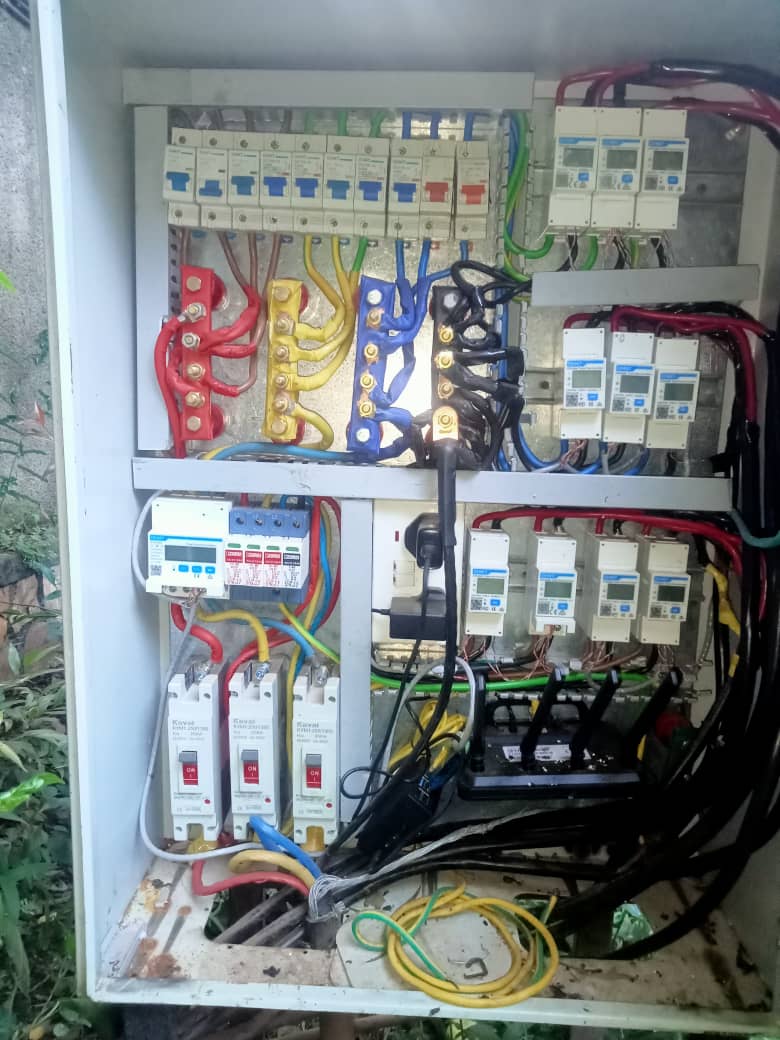
To validate this approach, NFE deployed its first pilot microgrid in Nansana, Uganda. The pilot currently serves 10 households and provides a real-world environment for testing smart metering, distributed energy resource (DER) management, battery-backed reliability services, and open-source microgrid control technologies.
The pilot has successfully demonstrated the technical feasibility of NFE's Microgrid OS architecture and provided valuable operational data that is informing the design of larger community deployments.
The Problem
Over the past decade, electricity access has improved significantly across Africa. However, millions of households remain connected to grids that suffer from frequent outages, voltage instability, and poor reliability.
Nansana reflects this challenge. While households are connected to the national grid, they regularly experience power interruptions that affect household activities, communications, education, and small businesses.
Traditional backup solutions such as petrol and diesel generators are expensive, noisy, polluting, and inaccessible to many households.
NFE believes that community microgrids can provide a more affordable, scalable, and sustainable alternative.
Project Objectives
The Nansana pilot was established to:
-
Validate NFE's Microgrid Cultivation Blueprint.
-
Test open-source energy management technologies in real operating conditions.
-
Evaluate customer demand for improved electricity reliability.
-
Develop and test smart metering infrastructure.
-
Demonstrate battery-backed community energy services.
-
Generate operational data for future commercial deployments.
Pilot Configuration
Location
Nansana, Wakiso District, Uganda
Community Served
10 households
System Components
-
Smart meters installed at participating households.
-
Community battery storage system.
-
Backup power infrastructure.
-
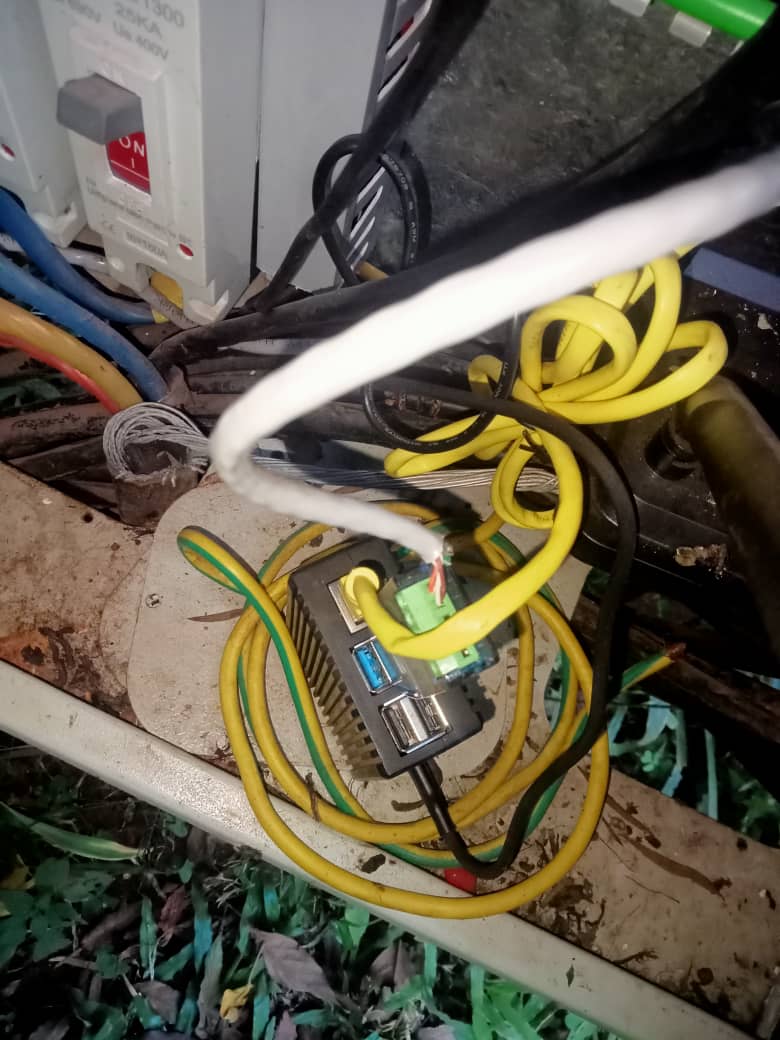
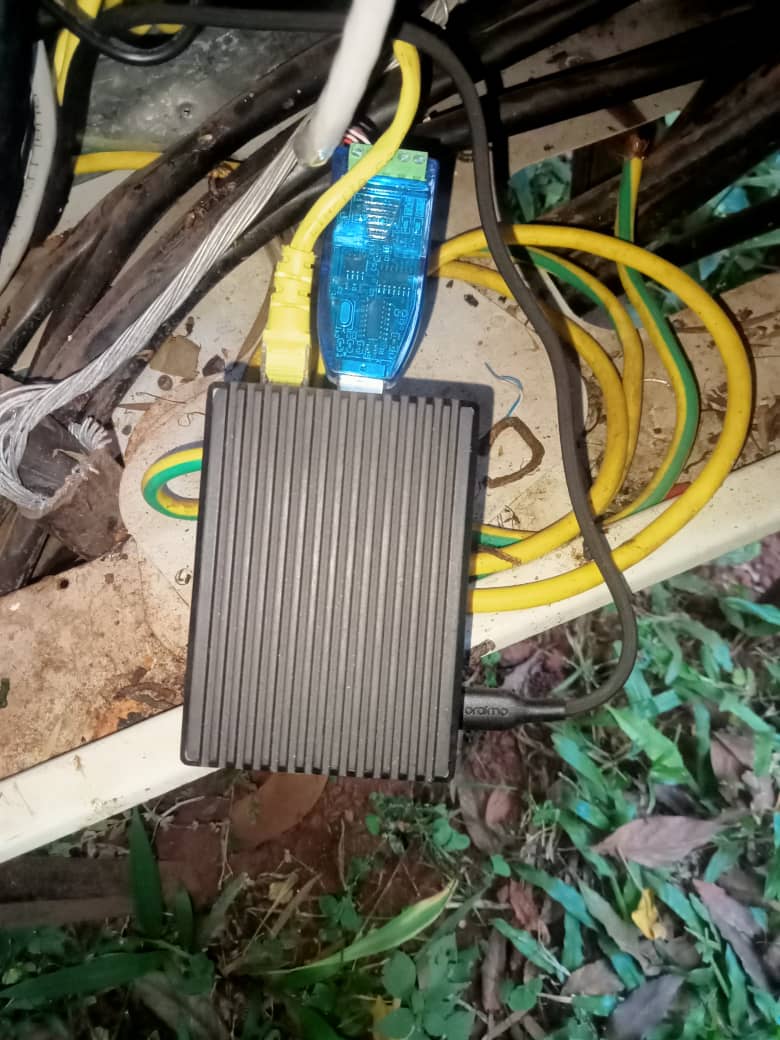
Raspberry Pi 4B controller running OpenEMS.
-
Communications network for remote monitoring and management.
-
MicroPowerManager integration for metering and operational functions.
Operational Phase
The pilot currently operates within the Monitor and Backup phases of NFE's Microgrid Cultivation Blueprint.
Technical Innovation
One of the most important outcomes of the pilot was the transition from a proprietary gateway architecture to an open-source Microgrid OS architecture.
Initial Architecture
The original system relied on a proprietary gateway capable of communicating only with specific smart meter vendors.
This approach limited flexibility, interoperability, and scalability.
Current Architecture
The pilot now uses a Raspberry Pi 4B running OpenEMS.
This controller can communicate with:
-
Smart meters using Modbus.
-
Battery systems.
-
Inverters.
-
Future distributed energy resources.
This transition has significantly improved interoperability and established the foundation for NFE's Microgrid OS platform.
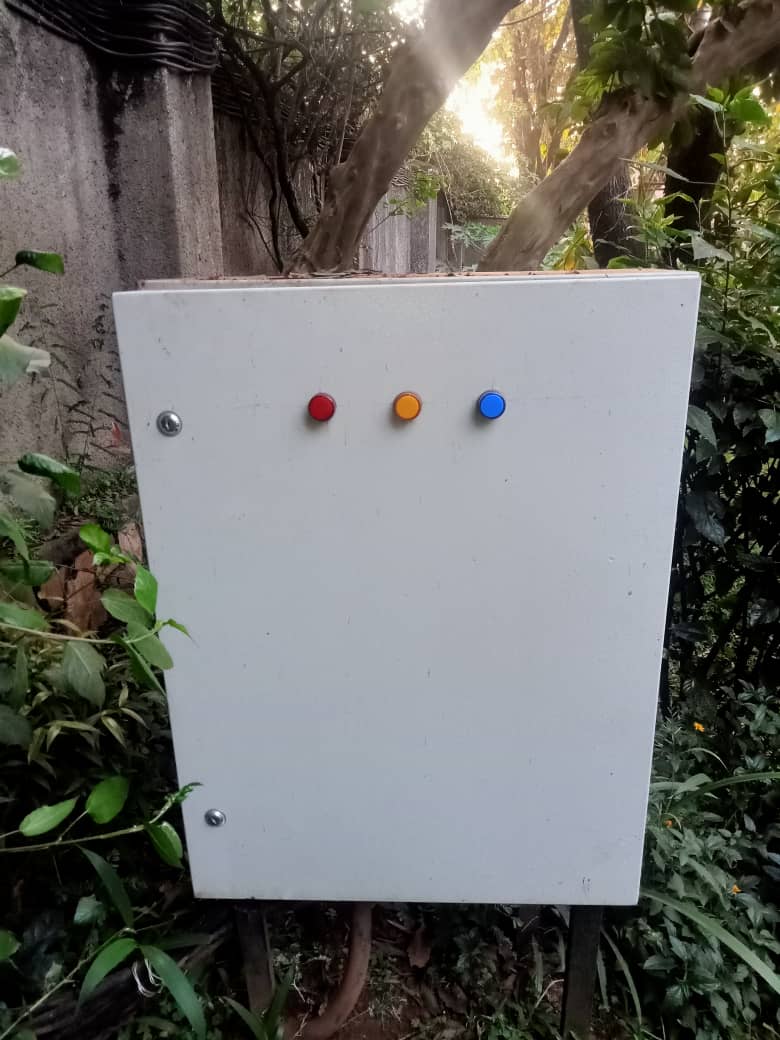
Images from site
Key Learnings
Open Standards Enable Scalability
The pilot confirmed that open standards such as Modbus can support interoperability across multiple device types and vendors.
Communities Value Reliability
Participating households consistently identified reliability as a higher priority than simply having access to electricity.
Software is as Important as Hardware
The ability to monitor, orchestrate, and automate distributed energy resources is essential for scalable community microgrids.
Phased Adoption Reduces Risk
The Monitor → Backup → Backbone → Community Power Plant progression allows communities to adopt advanced energy services gradually while minimizing technical and financial risks.
Next Phase
The next phase of development will expand the solution from 10 households in Nansana to approximately 100 households in Garuga.
Key objectives include:
-
Development of an open-hardware controller based on the NPE X500 CM4 platform.
-
Deployment of additional battery and solar assets.
-
Expansion of smart metering infrastructure.
-
Enhancement of Microgrid OS capabilities.
-
Validation of autonomous microgrid operation.
-
Progression toward the Backbone phase of the Microgrid Cultivation Blueprint.
Long-Term Vision
NFE's long-term vision is to enable thousands of households across Africa to benefit from reliable, resilient, and increasingly abundant clean energy through community-owned microgrids.
The Nansana pilot represents the first step toward a scalable platform that combines:
-
Open-source software.
-
Open-hardware controllers.
-
Distributed energy resources.
-
Community ownership.
-
Autonomous microgrid operations.
By demonstrating these capabilities in a real-world environment, the pilot has established the technical and operational foundation for future deployments and broader adoption across Africa.
Microgrid Cabinet Line Diagram
